Mitochondrial health has become a serious focus in longevity and cellular biology research, and two compounds appear frequently in that conversation: coenzyme Q10 (CoQ10) and urolithin A. Both are marketed under broadly similar claims about energy, aging, and cellular function — but they work through fundamentally different biological mechanisms, have different bodies of evidence behind them, and are not straightforward substitutes for one another.
This article walks through what each compound does at the cellular level, what human and animal research has found so far, and where the evidence is genuinely strong versus where it remains preliminary. Understanding the distinction matters if you are trying to make an informed decision rather than simply choosing whichever supplement has a more compelling label.
Key Takeaways
- CoQ10 and urolithin A support mitochondrial health through different mechanisms: CoQ10 participates directly in ATP production; urolithin A activates mitophagy, the cellular process that clears damaged mitochondria.
- A randomized trial in middle-aged adults found urolithin A improved muscle strength and exercise performance along with mitochondrial health biomarkers [1]; comparable functional RCT data for CoQ10 in healthy adults is more limited.
- CoQ10 has the strongest clinical rationale for people on statins or those with diagnosed mitochondrial disorders; urolithin A’s current evidence centers on muscle function and mitochondrial quality control in aging.
- Much of the mechanistic evidence for both compounds comes from animal models and cell studies; human clinical trial data, while growing, remains limited for both.
- The two compounds are not competing for the same biological role and could theoretically be complementary, though combined use has not been rigorously studied.
How CoQ10 Supports Mitochondrial Function
Coenzyme Q10 is a fat-soluble molecule produced naturally in the body that plays a direct structural role in the mitochondrial electron transport chain. It shuttles electrons between protein complexes in the inner mitochondrial membrane, a step that is essential for generating ATP — the cell’s primary energy currency. Without adequate CoQ10, the efficiency of this process declines. Importantly, the body’s own CoQ10 synthesis decreases with age, and certain medications (most notably statins) further suppress it.
Research has examined CoQ10 in the context of neurodegeneration, where mitochondrial dysfunction is a recognized contributor to disease progression [2]. There is also clinical interest in its use for mitochondrial disease: in MELAS syndrome, a severe mitochondrial disorder, CoQ10 is among the supportive treatments studied, though evidence for dramatic clinical benefit remains limited [3]. CoQ10 has also been investigated for its role in reproductive aging — one study found it could restore mitochondrial function in oocytes and partially recover fertility outcomes in aging mice [4], a finding that generated interest in fertility applications. Additionally, CoQ10 has been explored in autoimmune conditions where mitochondrial stress and oxidative damage are implicated [5].
In neurological contexts, CoQ10 has been proposed for migraine prevention, partly through its mitochondrial effects; it is sometimes used alongside riboflavin because both influence mitochondrial energy production [6]. The compound is generally considered safe at typical supplemental doses, and its role in the electron transport chain is well-established biochemistry. However, the clinical trial evidence for functional benefits in healthy people remains mixed.
How Urolithin A Supports Mitochondrial Health: The Mitophagy Mechanism
Urolithin A takes a different approach to mitochondrial health. Rather than directly participating in energy production, it activates a cellular quality-control process called mitophagy — the selective autophagy (self-digestion) of damaged or dysfunctional mitochondria. Think of mitophagy as the cell’s recycling program for worn-out mitochondria. As mitochondria accumulate damage over time, the cell’s ability to clear them and replace them with new, functional ones degrades. Urolithin A appears to help restore that clearance capacity.

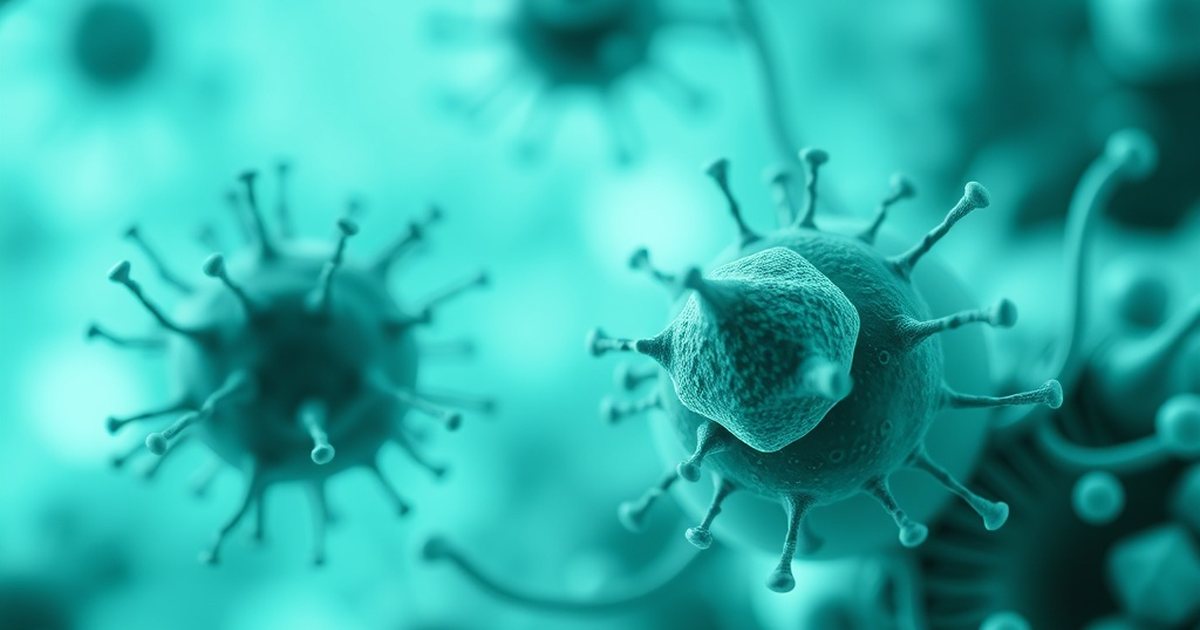
The foundational preclinical work, published in Nature Medicine, demonstrated that urolithin A induces mitophagy in C. elegans (a model organism widely used in aging research) and extended lifespan in those animals. In rodents, the same study found improvements in muscle function [7]. These results established the mechanism and prompted human trials. A first-in-human safety study found that urolithin A was well-tolerated across dose levels and produced a molecular signature consistent with improved mitochondrial and cellular health — including changes in mitochondria-related gene expression — in skeletal muscle biopsies [8]. A broader review of the compound’s biology placed this mitophagy induction within a wider picture of effects on aging-related cellular processes [9].

What Randomized Clinical Trial Evidence Exists for Urolithin A
The most clinically relevant human trial for urolithin A to date was a randomized, placebo-controlled study in middle-aged adults published in Cell Reports Medicine. Participants taking urolithin A over several months showed improvements in muscle strength and endurance exercise performance, and plasma biomarkers associated with mitochondrial health moved in favorable directions compared to placebo [1]. This is a meaningful step forward: it moves the evidence from animal models and mechanistic human studies toward a functional outcome people can relate to.
Beyond muscle and exercise performance, research has explored urolithin A’s effects on neuronal mitochondria. One study found it modulated ER-mitochondria contact sites and calcium handling in a cellular model of neuronal stress [10], suggesting the mitophagy-related benefits may extend to the nervous system, though this work was not a clinical trial. More recently, research in cancer immunology found urolithin A activated TFEB-mediated mitophagy in tumor-associated macrophages, affecting breast cancer progression in preclinical models [11] — an area of interest that is still early-stage and far from clinical application.
It is worth noting that urolithin A is a postbiotic: it is produced by gut bacteria from ellagitannins found in foods like pomegranates, walnuts, and certain berries. A substantial portion of the population lacks the gut microbiome composition to produce meaningful amounts from diet alone, which is part of the rationale for direct supplementation.
Comparing the Two: Mechanism Is the Core Difference
The most accurate way to frame the CoQ10 vs. urolithin A question is not ‘which is better’ but ‘what are they each trying to do.’ CoQ10 supplies a molecule that the electron transport chain uses directly. If CoQ10 levels are low — due to age, statin use, or disease — supplementing it may help restore a missing component. Urolithin A, by contrast, does not directly supply any piece of the energy machinery. Instead, it prompts the cell to clear out damaged mitochondria through mitophagy, which may improve the quality of the mitochondrial pool over time [7] [8].
An analogy: CoQ10 is closer to replacing a worn part in an engine; urolithin A is closer to activating a maintenance program that removes degraded engines so new ones can take their place. Both could theoretically contribute to better overall mitochondrial function, but through distinct pathways. They are not competing for the same biological role, which means the comparison is less about picking a winner and more about understanding what each addresses.
Evidence Quality and Limitations for Both
For CoQ10, the evidence base is larger simply because the compound has been studied for longer. However, the results across different populations and conditions are uneven. The mitochondrial disease applications [3] are among the more compelling, but these involve people with defined mitochondrial defects rather than healthy aging. In healthy individuals seeking general mitochondrial support, the clinical data for CoQ10 is less definitive. Research in brain disorders [12] and autoimmune conditions [5] is promising but not conclusive for most clinical endpoints.

For urolithin A, the evidence is newer and more limited in volume. The clinical trial in middle-aged adults [1] is encouraging, but longer-term trials in older adults and people with age-related conditions are still needed. Most mechanistic work remains in animal models or in vitro cell studies. The safety profile looks favorable based on existing human studies [8], but the compound is younger in its research trajectory. Anyone evaluating urolithin A should hold the preclinical findings at appropriate distance from what has been confirmed in human trials.

Practical Considerations: Who Might Benefit from Each
CoQ10 has the clearest rationale for people on statin medications, where supplementation is often recommended to offset drug-induced depletion, and for individuals with diagnosed mitochondrial disorders where a physician has recommended it. There is also reasonable interest in populations where oxidative stress and mitochondrial dysfunction are documented drivers of a condition, such as certain neurodegenerative contexts [2]. For general healthy aging, the benefit is less clearly established.
Urolithin A has the most direct evidence for muscle function and exercise performance in middle-aged adults, based on the available randomized trial [1]. For people interested in the mitophagy pathway specifically — the cellular cleanup mechanism that declines with age — urolithin A is currently the compound with the most direct and well-characterized effect on that process in humans. Individuals who cannot efficiently produce urolithin A from dietary sources (which may be a majority of people) would get no meaningful exposure through food alone.
These are not necessarily an either-or choice, and neither should be viewed as a treatment for any disease. Both are dietary supplements with emerging evidence, not approved therapies.
🛒 Where to Buy Urolithin A
- Timeline Mitopure SoftgelsClinically studied
softgels, 500 mg/day — The clinically studied form (Amazentis); used in the human trials. - Pure Encapsulations Renual
caplique capsules, 250 mg Mitopure Urolithin A/serving (with resveratrol + CoQ10) — established clinical-supplement brand, third-party tested. - ProHealth Longevity Urolithin A
capsules, 500 mg — Longevity-focused brand, often higher dose. - Double Wood Urolithin A
capsules, 250-500 mg — Budget-friendly, widely available, COA on request.
As an Amazon Associate we earn from qualifying purchases. Prices and availability vary; verify dose and third-party testing before buying.
A Note on the Evidence
Neither urolithin A nor CoQ10 is a treatment for any disease, and the evidence for both — particularly in healthy individuals — is still developing; most mechanistic findings come from animal or cell studies, and long-term human trial data is limited. Anyone with a diagnosed medical condition, those taking medications such as statins or anticoagulants, and anyone who is pregnant or breastfeeding should consult a qualified healthcare provider before adding either supplement.
Frequently Asked Questions
What is the main difference between how urolithin A and CoQ10 work?
CoQ10 acts as an electron carrier inside the mitochondrial electron transport chain, directly participating in the production of ATP [2]. Urolithin A works upstream of energy production by activating mitophagy — the selective removal of damaged mitochondria — which may improve the overall quality of the mitochondrial pool over time [7].
Is there human clinical trial evidence for urolithin A?
Yes. A first-in-human study confirmed urolithin A was safe and produced molecular markers of improved mitochondrial health in skeletal muscle [8]. A subsequent randomized trial in middle-aged adults found improvements in muscle strength, exercise endurance, and plasma biomarkers associated with mitochondrial health compared to placebo [1].
Does everyone produce urolithin A from food?
No. Urolithin A is produced by gut bacteria from ellagitannins in foods like pomegranates and walnuts, but the gut microbiome composition needed to carry out this conversion is not universal. A significant proportion of people produce little to no urolithin A from diet, which has driven interest in direct supplementation [9].
What conditions has CoQ10 been most studied for in relation to mitochondria?
CoQ10 has been studied in neurodegeneration [12], mitochondrial diseases such as MELAS syndrome [3], migraine prevention [6], reproductive aging [4], and autoimmune disorders [5]. Results vary by condition, and evidence strength differs across these areas.
Can urolithin A and CoQ10 be taken together?
There is no known safety concern with combining them based on current evidence, and they target distinct aspects of mitochondrial biology. However, combined use has not been studied in clinical trials, so no claims can be made about additive or synergistic effects. Anyone considering both should consult a healthcare provider, especially if taking other medications.
Is urolithin A relevant only to muscle health?
Muscle function is where the strongest human trial evidence currently sits [1], but research has explored other areas. Preclinical work has examined urolithin A’s effects on neuronal mitochondria and calcium handling [10], and early-stage research has looked at its role in immune cell function [11]. These areas are still early and have not been confirmed in human clinical trials.
References
- Singh A et al. Urolithin A improves muscle strength, exercise performance, and biomarkers of mitochondrial health in a randomized trial in middle-aged adults. Cell reports. Medicine (2022). PMID 35584623
- Orsucci D et al. Targeting mitochondrial dysfunction and neurodegeneration by means of coenzyme Q10 and its analogues. Current medicinal chemistry (2011). PMID 21824087
- El-Hattab AW et al. MELAS syndrome: Clinical manifestations, pathogenesis, and treatment options. Molecular genetics and metabolism (2015). PMID 26095523
- Ben-Meir A et al. Coenzyme Q10 restores oocyte mitochondrial function and fertility during reproductive aging. Aging cell (2015). PMID 26111777
- Mantle D et al. Coenzyme Q10 and Autoimmune Disorders: An Overview. International journal of molecular sciences (2024). PMID 38674161
- Markley HG et al. CoEnzyme Q10 and riboflavin: the mitochondrial connection. Headache (2012). PMID 23030537
- Ryu D et al. Urolithin A induces mitophagy and prolongs lifespan in C. elegans and increases muscle function in rodents. Nature medicine (2016). PMID 27400265
- Andreux PA et al. The mitophagy activator urolithin A is safe and induces a molecular signature of improved mitochondrial and cellular health in humans. Nature metabolism (2019). PMID 32694802
- D'Amico D et al. Impact of the Natural Compound Urolithin A on Health, Disease, and Aging. Trends in molecular medicine (2021). PMID 34030963
- Lee HJ et al. Urolithin A suppresses high glucose-induced neuronal amyloidogenesis by modulating TGM2-dependent ER-mitochondria contacts and calcium homeostasis. Cell death and differentiation (2021). PMID 32704090
- Zheng B et al. Urolithin A inhibits breast cancer progression via activating TFEB-mediated mitophagy in tumor macrophages. Journal of advanced research (2025). PMID 38615740
- Pradhan N et al. Coenzyme Q10 a mitochondrial restorer for various brain disorders. Naunyn-Schmiedeberg's archives of pharmacology (2021). PMID 34596729
These statements have not been evaluated by the Food and Drug Administration. This information is not intended to diagnose, treat, cure, or prevent any disease. Content is for informational purposes only and is not medical advice; consult a qualified healthcare provider before starting any supplement. As an Amazon Associate we earn from qualifying purchases.