Urolithin A and alpha-lipoic acid appear frequently in discussions about mitochondrial health, antioxidant defense, and healthy aging. Both have attracted genuine scientific attention, yet they work through fundamentally different mechanisms. Urolithin A is a postbiotic metabolite produced when gut bacteria transform polyphenols found in foods like pomegranates and walnuts; alpha-lipoic acid is a naturally occurring compound that functions as a cofactor in central metabolic pathways and acts as a broad-spectrum antioxidant.
Understanding how these two compounds differ—and where each has the strongest research support—can help frame a more informed conversation with a healthcare provider. Neither should be considered a treatment for disease, but the science behind each is worth examining carefully.
Key Takeaways
- Urolithin A primarily works by triggering mitophagy—the selective clearance of damaged mitochondria—while alpha-lipoic acid acts as a direct antioxidant and mitochondrial metabolic cofactor.
- Both compounds have been studied for age-related conditions and neurological health, but the evidence is largely preclinical; human clinical trial data is still limited for both.
- Alpha-lipoic acid has a longer research history and a broader, more immediate antioxidant reach; urolithin A’s mechanism is more targeted to mitochondrial quality control over time.
- Urolithin A from food depends entirely on gut microbiome capacity—many people produce little or none from diet alone, which is why direct supplementation has been developed and studied.
- Neither compound should be used as a substitute for medical treatment; anyone with a health condition or on medications should consult a doctor before supplementing.
How Urolithin A Works: Clearing Out Damaged Mitochondria
Urolithin A’s most studied mechanism is mitophagy—the selective recycling of damaged or dysfunctional mitochondria. Mitochondria accumulate damage over time, and cells have a built-in quality-control process to identify and break down compromised organelles before they generate excess oxidative stress. Research identifies urolithin A as a direct inducer of this process, acting through a pathway distinct from other known autophagy triggers [1].
This mechanism matters because mitochondrial quality declines with age. When damaged mitochondria accumulate rather than being cleared, they contribute to reduced energy output and increased cellular stress. By promoting mitophagy, urolithin A may help cells replace old, underperforming mitochondria with healthier ones. A 2025 review distinguished urolithin A’s role in mitophagy from that of spermidine, noting that while both compounds influence autophagy-related processes, they do so through distinct molecular routes [1].
Beyond mitophagy, urolithin A has been studied for its effects on calcium handling at the interface between the endoplasmic reticulum and mitochondria. In neuronal cell models exposed to high glucose, urolithin A modulated TGM2-dependent contacts between these two organelles and helped stabilize calcium homeostasis [2]. This points to a broader role in maintaining organelle communication, not just mitochondrial clearance.

How Alpha-Lipoic Acid Works: Antioxidant Cofactor with Broad Reach
Alpha-lipoic acid (ALA) operates differently. It is both a natural enzymatic cofactor—involved in key reactions in the mitochondrial matrix that convert nutrients to energy—and a potent antioxidant that can neutralize reactive oxygen species in both fat-soluble and water-soluble environments. Unlike many antioxidants that work in only one cellular compartment, ALA can act in both, and it also regenerates other antioxidants including vitamin C, vitamin E, and glutathione [3].
ALA exists in two forms: the R-form (naturally occurring and biologically active) and the S-form (found in most synthetic supplements). Research generally suggests the R-form has higher bioavailability and activity, though many clinical studies have used racemic mixtures. A 2025 review described ALA’s anti-aging properties across a range of conditions, highlighting its roles in reducing oxidative damage, supporting mitochondrial function, and influencing metabolic signaling pathways [4].


ALA also has demonstrated effects on lipid metabolism. In a 2025 study using chicken hepatocytes exposed to arsenic, ALA promoted peroxisomal beta-oxidation and reduced lipophagy, pointing to a role in managing lipid homeostasis under conditions of cellular stress [5]. These findings illustrate ALA’s broad metabolic reach beyond simple free-radical scavenging.
Aging, Muscle Health, and Physical Function
One of the more clinically relevant areas for urolithin A research concerns skeletal muscle and physical function during aging. Mitochondrial health is central to muscle energy supply, and interventions that support mitochondrial quality have been proposed as strategies to slow age-related muscle decline. A 2024 review of nutritional approaches to mitochondrial health in aging muscle identified urolithin A among compounds with evidence supporting its role in this area [6].
Alpha-lipoic acid has been examined in overlapping contexts, particularly given its role as a mitochondrial cofactor in energy metabolism. However, the evidence for ALA specifically improving muscle-related outcomes in aging populations is less developed than that emerging for urolithin A, which has been tested in human clinical trials measuring muscle endurance endpoints. It is worth noting that results in cell and animal models do not reliably translate to human trials, and more long-term human data is needed for both compounds.
Neurological Research: Overlapping Interest, Different Evidence
Both compounds have been studied in the context of neurological conditions, though the specific research questions differ. For urolithin A, interest has grown around neurodegenerative diseases including Parkinson’s disease. A 2023 review noted that urolithin A’s ability to promote mitophagy and reduce mitochondrial dysfunction may be relevant to Parkinson’s, given that impaired mitochondrial clearance is a recognized feature of that disease’s pathology [7]. Preclinical models have also shown anti-inflammatory and neuroprotective effects.
For alpha-lipoic acid, neurological interest has centered primarily on Alzheimer’s disease and peripheral neuropathy. A 2019 analysis examined whether ALA’s antioxidant and mitochondrial effects might be beneficial or potentially harmful in Alzheimer’s disease—concluding that while ALA shows some protective properties in mitochondrial dysfunction models, the evidence remains mixed and context-dependent [8]. ALA has also appeared in a 2026 evidence review for amyotrophic lateral sclerosis, where current data was assessed as insufficient to support its use for that condition [9].
These findings illustrate a common theme: both compounds have theoretical rationales for neurological benefit, but clinical evidence in human populations with diagnosed conditions is limited or mixed. Neither should be considered a treatment for any neurological disease.
Oxidative Stress: Where the Two Compounds Overlap
Oxidative stress—the imbalance between reactive oxygen species and the cell’s ability to neutralize them—is a shared research target for both compounds. Alpha-lipoic acid’s antioxidant role is well-established and mechanistically direct: it scavenges reactive species and recycles other antioxidants [3]. Urolithin A’s effects on oxidative stress appear to operate partly through improving mitochondrial quality (since damaged mitochondria are a major source of reactive species) and partly through direct antioxidant activity.


A 2025 study on porcine oocytes found that urolithin A protected against artificially induced oxidative stress, improving markers of maturation and subsequent embryo development [10]. In another 2025 study, urolithin A supplementation in a sepsis model reduced markers of mitochondrial dysfunction and modulated macrophage behavior in lung tissue, with associated reductions in inflammatory markers [11]. These findings suggest urolithin A’s antioxidant-related effects extend across multiple tissue types.
An important distinction is that alpha-lipoic acid is a faster-acting direct antioxidant, while urolithin A’s effects on oxidative stress may be more indirect—arising from improved mitochondrial quality over time. These different timescales and mechanisms may be complementary rather than competitive, though research directly comparing them head-to-head is currently lacking.
Sources, Supplementation, and Key Differences
Urolithin A cannot be consumed directly from food in meaningful amounts. It is produced by gut bacteria that metabolize ellagitannins from foods like pomegranates, walnuts, and raspberries. Not everyone has the gut microbiome composition needed to produce urolithin A efficiently, which is why direct supplementation with the compound has been developed. This makes dietary bioavailability highly variable and individual-dependent.
Alpha-lipoic acid is found in small amounts in animal and plant foods—notably organ meats, spinach, broccoli, and potatoes—but dietary intake is generally far lower than doses used in research. ALA is considered to have reasonable oral bioavailability, with the R-form absorbing more efficiently than synthetic racemic mixtures [3]. Supplemental doses studied in clinical contexts are considerably higher than what food provides.
Both compounds are sold as supplements with generally favorable short-term safety profiles in healthy adults at studied doses. However, alpha-lipoic acid at high doses has been associated with adverse effects in some individuals, and interactions with medications including thyroid drugs have been reported. Urolithin A supplements are relatively newer to the market, and long-term safety data in diverse populations is still accumulating. Neither compound has been approved by any regulatory agency to treat, prevent, or cure any disease.
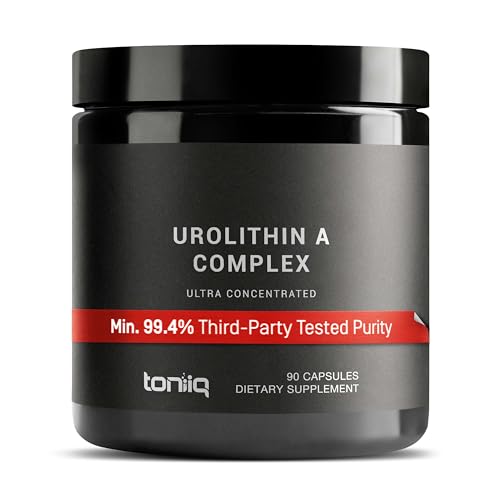
🛒 Where to Buy Urolithin A
- Timeline Mitopure SoftgelsClinically studied
softgels, 500 mg/day — The clinically studied form (Amazentis); used in the human trials. - Pure Encapsulations Renual
caplique capsules, 250 mg Mitopure Urolithin A/serving (with resveratrol + CoQ10) — established clinical-supplement brand, third-party tested. - ProHealth Longevity Urolithin A
capsules, 500 mg — Longevity-focused brand, often higher dose. - Double Wood Urolithin A
capsules, 250-500 mg — Budget-friendly, widely available, COA on request.
As an Amazon Associate we earn from qualifying purchases. Prices and availability vary; verify dose and third-party testing before buying.
A Note on the Evidence
The research cited here is largely preclinical or based on early-stage human studies; results in cell and animal models do not guarantee equivalent effects in people, and this article is not medical advice. Neither urolithin A nor alpha-lipoic acid is approved to treat any disease—individuals with health conditions, those taking medications, and anyone who is pregnant or breastfeeding should consult a qualified healthcare provider before using either supplement.

Frequently Asked Questions
What is the main mechanistic difference between urolithin A and alpha-lipoic acid?
Urolithin A primarily induces mitophagy—the cellular process of identifying and recycling damaged mitochondria—through mechanisms distinct from other autophagy pathways [1]. Alpha-lipoic acid functions as a direct antioxidant that neutralizes reactive oxygen species and regenerates other antioxidants, while also serving as a cofactor in mitochondrial energy metabolism [3]. In short, urolithin A targets mitochondrial quality control; ALA reduces oxidative damage more broadly and immediately.
Has urolithin A been studied for brain health?
Yes, in preclinical settings. Research has examined urolithin A’s potential relevance to Parkinson’s disease, given that impaired mitochondrial clearance is a recognized feature of that condition [7]. In neuronal cell models, urolithin A also modulated ER-mitochondria contacts and calcium homeostasis under high-glucose conditions [2]. Human clinical evidence for neurological benefits remains limited, and no conclusions about treatment should be drawn from these findings.
Is alpha-lipoic acid useful for Alzheimer's disease?
The evidence is mixed and not conclusive. A 2019 analysis found that while ALA shows antioxidant and mitochondria-supporting properties, its effects in Alzheimer’s disease models are not uniformly beneficial, and whether it helps or causes harm in that specific context has not been clearly resolved [8]. ALA should not be used as a treatment for Alzheimer’s disease outside of supervised clinical research.
Can urolithin A be obtained from diet alone?
Not reliably. Urolithin A is not found directly in food; it is produced when gut bacteria metabolize ellagitannins present in pomegranates, walnuts, and some berries. Conversion capacity varies significantly between individuals based on microbiome composition, meaning many people produce little or no urolithin A even when consuming ellagitannin-rich foods regularly. This variability is a key reason direct urolithin A supplementation has been developed and studied in clinical trials.
Do urolithin A and alpha-lipoic acid work on the same pathways?
They overlap in the broad goal of supporting mitochondrial function and reducing oxidative stress, but their primary mechanisms are distinct. Urolithin A is a targeted mitophagy inducer acting through a specific autophagy pathway [1], while alpha-lipoic acid is a versatile direct antioxidant and metabolic cofactor [3]. There is currently no clinical research directly comparing them head-to-head or confirming synergy between the two.
Are there any safety concerns with alpha-lipoic acid?
Alpha-lipoic acid is generally well tolerated at commonly studied doses in healthy adults, but high doses have been associated with adverse effects in some individuals, and potential interactions with medications including thyroid drugs have been reported. A 2025 review of ALA’s therapeutic uses noted it as generally safe while emphasizing that the strength of evidence for specific clinical benefits varies considerably by condition [4]. A healthcare provider should be consulted before starting supplementation, particularly for people with existing health conditions.

References
- Borsky P et al. Distinct roles of urolithin A and spermidine in mitophagy and autophagy: implications for dietary supplementation. Nutrition research reviews (2025). PMID 41404767
- Lee HJ et al. Urolithin A suppresses high glucose-induced neuronal amyloidogenesis by modulating TGM2-dependent ER-mitochondria contacts and calcium homeostasis. Cell death and differentiation (2021). PMID 32704090
- Salehi B et al. Insights on the Use of α-Lipoic Acid for Therapeutic Purposes. Biomolecules (2019). PMID 31405030
- Shanaida M et al. Alpha-lipoic Acid: An Antioxidant with Anti-aging Properties for Disease Therapy. Current medicinal chemistry (2025). PMID 38644711
- Zhao Y et al. α-Lipoic Acid Ameliorates Arsenic-Induced Lipid Disorders by Promoting Peroxisomal β-Oxidation and Reducing Lipophagy in Chicken Hepatocyte. Advanced science (Weinheim, Baden-Wurttemberg, Germany) (2025). PMID 39887668
- Broome SC et al. Mitochondria as Nutritional Targets to Maintain Muscle Health and Physical Function During Ageing. Sports medicine (Auckland, N.Z.) (2024). PMID 39060742
- Wojciechowska O et al. Urolithin A in Health and Diseases: Prospects for Parkinson's Disease Management. Antioxidants (Basel, Switzerland) (2023). PMID 37508017
- Dos Santos SM et al. Mitochondrial Dysfunction and Alpha-Lipoic Acid: Beneficial or Harmful in Alzheimer's Disease?. Oxidative medicine and cellular longevity (2019). PMID 31885820
- Giacobbe A et al. ALSUntangled #79: alpha-lipoic acid. Amyotrophic lateral sclerosis & frontotemporal degeneration (2026). PMID 40411245
- Shi W et al. Urolithin A Protects Porcine Oocytes from Artificially Induced Oxidative Stress Damage to Enhance Oocyte Maturation and Subsequent Embryo Development. International journal of molecular sciences (2025). PMID 40243704
- Mohsin M et al. Urolithin-A supplementation alleviates sepsis-induced acute lung injury by reducing mitochondrial dysfunction and modulating macrophage polarization. Mitochondrion (2025). PMID 40328344
These statements have not been evaluated by the Food and Drug Administration. This information is not intended to diagnose, treat, cure, or prevent any disease. Content is for informational purposes only and is not medical advice; consult a qualified healthcare provider before starting any supplement. As an Amazon Associate we earn from qualifying purchases.