Fatigue is one of the most common complaints people bring to their doctors, and for many it resists straightforward fixes. When the cause isn’t a clear medical condition, researchers increasingly look at what’s happening inside our cells—specifically, whether the mitochondria that generate cellular energy are working as well as they should. Urolithin A, a compound produced in the gut from ellagitannins found in pomegranates and berries, has attracted scientific interest because of its ability to trigger a cellular cleanup process called mitophagy, which removes damaged mitochondria and supports renewal of the mitochondrial pool.
This article reviews the current clinical and mechanistic evidence for urolithin A and energy-related outcomes including muscle endurance, fatigue, and mitochondrial function. The evidence is genuinely interesting but also limited in scope—most human trials to date are relatively small and short. What follows is an honest summary of what researchers have found and what we still don’t know.
Key Takeaways
- Urolithin A promotes mitophagy—the cellular process of clearing damaged mitochondria—which is mechanistically plausible as a pathway to improved energy production.
- A randomized clinical trial in older adults found improvements in muscle endurance and mitochondrial health markers with urolithin A supplementation [1].
- An 8-week RCT in male athletes found benefits for muscle endurance, strength, and markers of oxidative stress—a contributor to exercise fatigue [2].
- No large human trial has yet tested urolithin A specifically for fatigue as a primary outcome; existing evidence is indirect and limited in population scope.
- Gut microbiome variation means individuals differ substantially in how much urolithin A they produce from food; supplemental forms bypass this variation but also raise questions about optimal dosing.
Why Mitochondria Matter for Energy and Fatigue
Mitochondria are often called the powerhouses of the cell because they convert nutrients into ATP, the molecule that fuels virtually every biological process. When mitochondria accumulate damage—through oxidative stress, aging, or metabolic strain—their efficiency declines. The result can be reduced cellular energy output, greater fatigue, and slower recovery from exertion.
Mitochondrial dysfunction is recognized as a significant contributor to the physical and cognitive decline that accompanies aging. A 2021 review noted that nutritional factors affecting mitochondrial integrity play a meaningful role in cellular decline in older adults, with impaired mitochondrial quality control contributing to energy deficits and increased fatigability [3]. A 2024 review focused on small molecules capable of supporting healthy aging highlighted mitochondrial quality—including the balance between mitochondrial biogenesis and the clearance of dysfunctional mitochondria—as central to maintaining energy metabolism over the lifespan [4].

What Mitophagy Is and How Urolithin A Triggers It
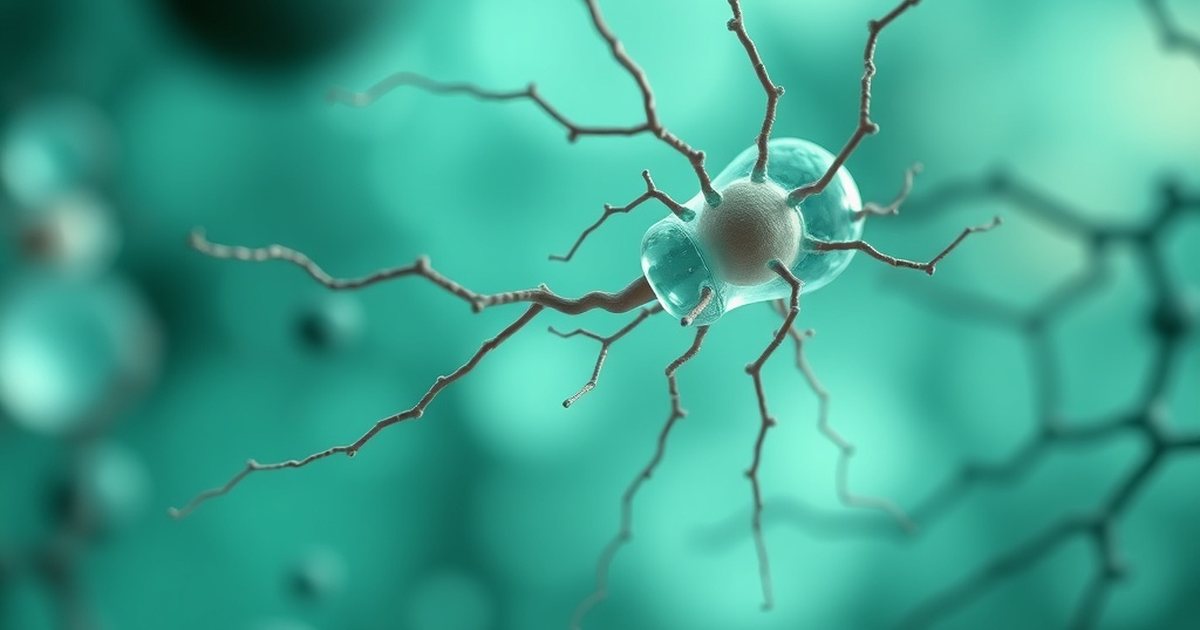
Mitophagy is a selective form of cellular autophagy—a process by which cells identify and dismantle damaged or dysfunctional mitochondria, recycling their components. Without adequate mitophagy, worn-out mitochondria accumulate, producing less energy while generating more reactive oxygen species that cause further cellular damage.
Urolithin A is one of the few orally available compounds shown in human studies to upregulate mitophagy. The pathway involves PINK1 and Parkin, two proteins that tag damaged mitochondria for removal. Research in a cardiotoxicity model demonstrated that urolithin A enhances PINK1-regulated mitophagy via a protein called Ambra1, suggesting a specific molecular mechanism for how urolithin A initiates mitochondrial cleanup [5]. By clearing out dysfunctional mitochondria, this process is thought to allow the cell to replace them with newer, more efficient units—a renewal cycle that could plausibly support better energy production over time.
Clinical Evidence: Muscle Endurance in Older Adults
The most directly relevant human evidence comes from a randomized clinical trial published in JAMA Network Open in 2022, which examined urolithin A supplementation in older adults. The trial found improvements in muscle endurance and markers of mitochondrial health compared to placebo [1]. This is notable because muscle endurance is closely tied to how efficiently mitochondria in muscle tissue generate and sustain ATP output during physical effort—exactly the type of fatigue that accumulates during sustained activity.
Importantly, this trial used objective measures rather than self-reported fatigue alone, which strengthens the signal. However, it is a single trial, and the population was specifically older adults for whom mitochondrial decline is already established. Whether the same effects translate to younger or middle-aged individuals with fatigue not primarily driven by aging is not directly answered by this study.

Evidence in Athletes: Endurance, Strength, and Oxidative Stress
A more recent 8-week randomized, double-blind, placebo-controlled study examined urolithin A in male athletes undergoing resistance training and found effects on muscle endurance, strength, markers of inflammation, oxidative stress, and protein metabolism [2]. This study is significant because it extends the evidence beyond aging populations to physically active adults, and because it examined mechanisms—including oxidative stress—that are directly linked to exercise-induced fatigue.
Oxidative stress during and after intense exercise contributes to delayed-onset muscle soreness and residual fatigue. If urolithin A reduces oxidative stress while also supporting mitochondrial quality, the combination could plausibly translate to faster recovery and less fatigue accumulation over a training cycle. That said, this trial is limited to male athletes, and broader generalization requires caution.
What the Research Does Not Yet Show
No large-scale clinical trial has yet used fatigue as a primary endpoint in a diverse general population. The existing human studies have focused on muscle endurance and mitochondrial biomarkers, which are related to but not identical with subjective fatigue as most people experience it. Fatigue is a complex symptom with many potential causes—sleep quality, thyroid function, anemia, depression, and many others—and urolithin A is not a treatment for any of these.

Additionally, the ability to produce urolithin A from dietary precursors varies substantially between individuals depending on gut microbiome composition. Some people produce little or no urolithin A even after consuming ellagitannin-rich foods like pomegranates. This biological variability means that food sources alone are unreliable, and it also creates complexity for research interpretation: a supplement study bypasses this variability while real-world outcomes from dietary changes may differ considerably.
The evidence base is also almost entirely from short-duration trials of 8–12 weeks. Long-term effects, including whether mitochondrial improvements are sustained, have not been adequately studied in humans.

Who Might Benefit Most—and Who Should Be Cautious
Based on the available evidence, older adults experiencing age-related muscle fatigue and endurance decline represent the population with the most direct research support [1]. Athletes seeking to manage exercise-induced fatigue and oxidative stress are a secondary population with emerging evidence [2]. Individuals experiencing fatigue due to mitochondrial insufficiency related to metabolic or nutritional factors may also be a plausible candidate group, given research on how mitochondrial dysfunction underlies energy deficits in aging [3].
People with underlying medical conditions, including those on chemotherapy or medications that affect cellular pathways, should be particularly cautious about any supplementation without medical supervision. Urolithin A has been shown to interact with cellular pathways involved in cardiotoxicity [5], which underscores that it is biologically active—and that biological activity always carries the possibility of interactions that have not yet been fully characterized.
🛒 Where to Buy Urolithin A
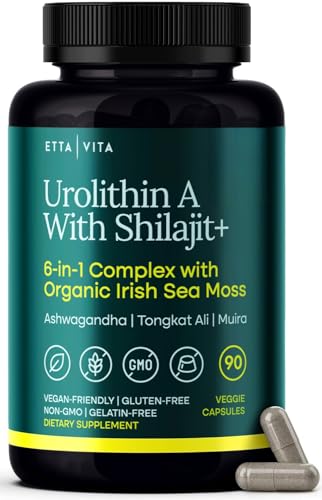
- Timeline Mitopure SoftgelsClinically studied
softgels, 500 mg/day — The clinically studied form (Amazentis); used in the human trials. - Pure Encapsulations Renual
caplique capsules, 250 mg Mitopure Urolithin A/serving (with resveratrol + CoQ10) — established clinical-supplement brand, third-party tested. - ProHealth Longevity Urolithin A
capsules, 500 mg — Longevity-focused brand, often higher dose. - Double Wood Urolithin A
capsules, 250-500 mg — Budget-friendly, widely available, COA on request.
As an Amazon Associate we earn from qualifying purchases. Prices and availability vary; verify dose and third-party testing before buying.
A Note on the Evidence
The research on urolithin A and energy is promising but early: most human trials are small, short-term, and focused on specific populations such as older adults and male athletes. Urolithin A is not a treatment for any medical condition, and fatigue with a known or suspected cause—such as thyroid disorders, anemia, sleep disorders, or depression—requires evaluation and management by a healthcare professional before considering any supplementation.
Frequently Asked Questions
Has urolithin A been tested directly for fatigue in humans?
Not with fatigue as a primary clinical endpoint. Human trials have measured related outcomes—muscle endurance and mitochondrial health markers—and found positive signals [1][2]. These outcomes are mechanistically linked to fatigue, but direct evidence specifically targeting fatigue complaints is lacking.
How long does it take for urolithin A to have an effect?
The main human trials ran for 8 to 12 weeks before measurable effects on endurance and mitochondrial markers were detected [1][2]. This timeline makes sense biologically, since mitochondrial renewal is a gradual cellular process rather than an immediate response.
Can I get enough urolithin A from food?
Dietary urolithin A depends on converting ellagitannins—found in pomegranates, walnuts, and berries—via gut bacteria, and the capacity to do this varies widely between individuals. Many people produce little or none regardless of dietary intake. Research studies typically use supplemental urolithin A to ensure consistent dosing and bypass this variability.
Is urolithin A safe to take alongside other supplements or medications?
Urolithin A is biologically active and has been shown to modulate cellular pathways including mitophagy-related proteins [5]. As with any bioactive compound, interactions with medications—particularly those affecting cellular metabolism or heart function—are possible. Consult a healthcare provider before combining urolithin A with prescription medications.
Does urolithin A help with mental fatigue, not just physical fatigue?
The published human clinical evidence focuses on physical endurance and muscle-level mitochondrial function. Whether the same mechanisms extend meaningfully to cognitive or mental fatigue is an open question that has not been adequately tested in clinical trials.
Who has the strongest evidence for benefit from urolithin A regarding energy?
Older adults with age-related declines in muscle endurance have the most direct human trial evidence [1]. Athletes dealing with exercise-induced oxidative stress and fatigue represent a secondary group with emerging but less robust evidence [2]. Evidence for other populations—including people with fatigue from illness or metabolic conditions—remains limited or absent.
References
- Liu S et al. Effect of Urolithin A Supplementation on Muscle Endurance and Mitochondrial Health in Older Adults: A Randomized Clinical Trial. JAMA network open (2022). PMID 35050355
- Zhao H et al. Assessment of Urolithin A effects on muscle endurance, strength, inflammation, oxidative stress, and protein metabolism in male athletes with resistance training: an 8-week randomized, double-blind, placebo-controlled study. Journal of the International Society of Sports Nutrition (2024). PMID 39487653
- Guralnik JM et al. Nutritional Mediators of Cellular Decline and Mitochondrial Dysfunction in Older Adults. Geriatrics (Basel, Switzerland) (2021). PMID 33917371
- Qin X et al. Enhancing healthy aging with small molecules: A mitochondrial perspective. Medicinal research reviews (2024). PMID 38483176
- Wang X et al. Urolithin A attenuates Doxorubicin-induced cardiotoxicity by enhancing PINK1-regulated mitophagy via Ambra1. Chemico-biological interactions (2025). PMID 39725191
These statements have not been evaluated by the Food and Drug Administration. This information is not intended to diagnose, treat, cure, or prevent any disease. Content is for informational purposes only and is not medical advice; consult a qualified healthcare provider before starting any supplement. As an Amazon Associate we earn from qualifying purchases.