As we navigate the complexities of aging, many of us find ourselves confronting a common challenge: a gradual decline in cellular energy, muscle strength, and overall vitality. This experience, often attributed to the natural aging process, prompts a critical question for health-conscious adults over 40: can nutritional interventions truly make a difference in maintaining youthful vigor? We’re not just looking for a quick fix, but for evidence-based strategies to support mitochondrial health and combat age-related decline.
The landscape of longevity supplements is vast and often confusing, with numerous compounds claiming to optimize cellular function and extend healthy lifespans. Among these, Urolithin A has garnered significant attention for its unique mechanism of action. But how does it genuinely compare to other well-known alternatives in terms of scientific backing, efficacy, and practical application?
As an Amazon Associate, UrolithinHub may earn from qualifying purchases made through links in this article. This helps support our research and content creation.
Understanding Urolithin A: The Mitochondrial Powerhouse
Urolithin A (UA) is a postbiotic compound produced by gut bacteria from ellagitannins, which are abundant in pomegranates and some berries. Its primary mechanism of action revolves around enhancing mitophagy, the selective degradation and recycling of dysfunctional mitochondria.
Mitochondria, often called the “powerhouses of the cell,” generate adenosine triphosphate (ATP), the body’s main energy currency. As we age, mitochondrial function can decline, leading to reduced energy production and increased oxidative stress, contributing to various age-related conditions.
By promoting mitophagy, Urolithin A helps remove damaged mitochondria, allowing for the regeneration of healthier, more efficient ones. This process is crucial for maintaining cellular energy levels, supporting muscle function, and potentially influencing overall longevity.
Urolithin A vs. NAD+ Precursors: A Focus on Cellular Energy
NAD+ Precursors: NR and NMN
Nicotinamide Riboside (NR) and Nicotinamide Mononucleotide (NMN) are precursors to Nicotinamide Adenine Dinucleotide (NAD+), a coenzyme vital for numerous cellular processes, including energy metabolism, DNA repair, and gene expression. Levels of NAD+ naturally decline with age, and supplementing with NR or NMN aims to replenish these levels.

The mechanism here is primarily about increasing the availability of a critical coenzyme for metabolic pathways. Studies in preclinical models have shown that boosting NAD+ levels can improve mitochondrial function, enhance cellular repair, and extend lifespan. Human trials are ongoing, with some demonstrating increases in NAD+ levels and improvements in metabolic markers.
Comparing Mechanisms and Effects
While both Urolithin A and NAD+ precursors aim to improve cellular energy, their approaches differ. Urolithin A optimizes the quality of the mitochondrial pool through mitophagy, ensuring efficient energy production from existing mitochondria. NAD+ precursors, conversely, provide the raw material (NAD+) for these mitochondria and other enzymes to function optimally.
In essence, UA acts like a quality control manager for mitochondria, removing old and damaged units. NAD+ precursors are more like fuel suppliers, ensuring the entire cellular machinery has enough energy currency to operate. Both pathways are essential for cellular health and are not mutually exclusive; some researchers propose they could be complementary.
Urolithin A and Muscle Aging: Comparing to Creatine and HMB
Creatine and HMB: Traditional Muscle Support
Creatine is one of the most well-researched supplements for muscle strength and power. It functions by rapidly regenerating ATP in muscle cells, providing quick bursts of energy during high-intensity exercise. Creatine helps increase muscle mass and strength, particularly in younger individuals and those engaged in resistance training.
Beta-hydroxy-beta-methylbutyrate (HMB) is a metabolite of the amino acid leucine. It is thought to reduce muscle protein breakdown and support muscle protein synthesis, especially during periods of muscle damage or intense exercise. HMB has been studied for its potential to attenuate muscle loss in older adults and improve recovery.
Urolithin A’s Unique Contribution to Muscle Health
Urolithin A’s impact on muscle aging stems from its ability to enhance mitochondrial function within muscle cells.[1][2] By improving the efficiency and health of muscle mitochondria, UA can support overall muscle performance and endurance. Clinical trials have shown that Urolithin A supplementation can improve muscle endurance and strength in older adults.

For instance, the trial published in JAMA Network Open found improved muscle endurance — contractions to fatigue in the leg and hand — in adults aged 65 to 90, with its primary endpoints of walking distance and maximal ATP production unchanged versus placebo.[3] The separate strength finding, roughly 12% over four months, comes from a different trial in middle-aged adults, which likewise missed its own primary endpoint of peak power output.[4] This effect is distinct from creatine’s immediate energy provision or HMB’s protein balance effects, as UA addresses the foundational cellular health of muscle tissue.
Urolithin A and Antioxidants: Beyond Free Radical Scavenging
Common Antioxidants: Vitamin C, E, Alpha-Lipoic Acid
Antioxidants like Vitamin C, Vitamin E, and Alpha-Lipoic Acid primarily work by neutralizing free radicals, unstable molecules that can cause cellular damage and contribute to aging. They scavenge these reactive oxygen species, protecting cellular components from oxidative stress.
While crucial for cellular defense, their mechanism is largely reactive, addressing the symptoms of oxidative damage. Many studies support the role of dietary antioxidants in overall health, though targeted supplementation often yields mixed results in terms of direct anti-aging effects.
Urolithin A’s Proactive Cellular Protection
Urolithin A offers a more proactive approach to cellular protection by improving mitochondrial health. Dysfunctional mitochondria are a significant source of reactive oxygen species. By removing these compromised mitochondria through mitophagy, UA can reduce the production of free radicals at their source, rather than just neutralizing them after they are formed.

This mechanistic difference suggests that Urolithin A may offer a more fundamental strategy for reducing oxidative stress and supporting cellular resilience. While antioxidants are important, UA addresses an underlying cause of cellular damage related to mitochondrial dysfunction.
Comparison Table: Urolithin A vs. Key Longevity Supplements
| Supplement | Primary Mechanism | Key Benefits | Current Evidence (Human) | Limitations/Considerations |
|---|---|---|---|---|
| Urolithin A | Enhances mitophagy (removes damaged mitochondria) | Improved mitochondrial function, enhanced muscle endurance & strength, cellular energy | Growing evidence for muscle function, endurance, and mitochondrial biomarkers in older adults. | Requires gut microbiome to produce naturally; supplementation bypasses this. Relatively newer on market. |
| NAD+ Precursors (NR/NMN) | Increases NAD+ levels (coenzyme for energy & repair) | Improved cellular energy metabolism, DNA repair, metabolic health | Shown to increase NAD+ levels; some metabolic benefits observed. More data needed for longevity claims. | Bioavailability concerns for some forms; high cost; long-term safety data still accumulating. |
| Creatine | ATP regeneration in muscle cells | Increased muscle strength, power, mass, enhanced exercise performance | Extensive evidence for muscle benefits in various populations. | Primary benefit is immediate muscle energy; less direct impact on mitochondrial quality. |
| HMB | Reduces muscle protein breakdown, supports synthesis | Preserves muscle mass, aids recovery, may reduce muscle loss in aging | Evidence for attenuating muscle loss and improving strength in some contexts. | Benefits most pronounced during muscle damage or intense training; less direct cellular energy effect. |
| Alpha-Lipoic Acid | Antioxidant, coenzyme for mitochondrial enzymes | Reduces oxidative stress, supports glucose metabolism, nerve health | Some evidence for antioxidant effects and metabolic support. | General antioxidant; less specific mitochondrial quality control than UA. |
Sourcing and Supplementation: What to Look For
While Urolithin A can be produced naturally in the gut from ellagitannins, not everyone has the specific gut bacteria to do so efficiently. This makes direct supplementation a more reliable way to ensure adequate intake.
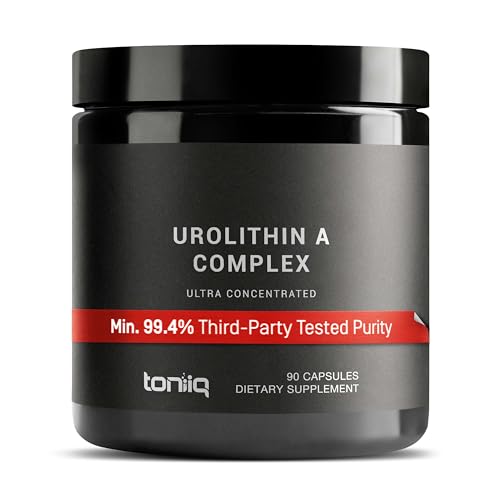
When considering Urolithin A supplements, look for products that clearly state the dosage of Urolithin A. Reputable brands often provide third-party testing for purity and potency. You may find products labeled as “Urolithin A capsules” or “Urolithin A powder” from various manufacturers.
For those interested in NAD+ precursors, search for “Nicotinamide Riboside supplement” or “NMN supplement.” For muscle support, “Creatine Monohydrate” is the most studied and cost-effective form of creatine, while “HMB capsules” or “HMB powder” are readily available.
Conclusion: A Holistic View of Longevity
The quest for sustained cellular energy, robust muscle function, and overall longevity is a multifaceted endeavor. Urolithin A stands out with its unique mechanism of enhancing mitophagy, offering a proactive strategy to maintain mitochondrial health and cellular vitality.
While other supplements like NAD+ precursors, creatine, HMB, and traditional antioxidants offer valuable benefits, Urolithin A addresses a fundamental aspect of cellular aging that complements these approaches. It focuses on the quality and efficiency of the cellular powerhouses themselves.
Ultimately, a comprehensive approach to healthy aging may involve a combination of strategies, including a balanced diet rich in ellagitannins, regular exercise, and targeted supplementation based on individual needs and scientific evidence. Urolithin A presents itself as a compelling component in this evolving landscape of longevity supplements, particularly for those focused on foundational cellular health.
These statements have not been evaluated by the FDA. This product is not intended to diagnose, treat, cure, or prevent any disease.
FAQ: Urolithin A and Longevity Supplements
Q: What is the primary difference between Urolithin A and NAD+ precursors?
A: Urolithin A enhances the removal of damaged mitochondria (mitophagy), improving the quality of the mitochondrial pool. NAD+ precursors increase the levels of NAD+, a coenzyme essential for various cellular processes including energy production.
Q: Can Urolithin A help with muscle loss as I age?
A: Yes, though with limits worth knowing. Randomized trials show improved muscle endurance in adults aged 65 to 90 and improved strength in middle-aged adults, while a review of the human evidence found no measured effect yet on physical function or body composition. Results in trained athletes are also mixed rather than uniformly positive.[5][6]
Q: Is it better to get Urolithin A from food or supplements?
A: Urolithin A is produced by gut bacteria from ellagitannins found in foods like pomegranates. However, not everyone has the necessary gut microbiome to produce sufficient amounts. Supplements offer a reliable way to ensure adequate intake.
Q: How does Urolithin A compare to traditional antioxidants?
A: Traditional antioxidants primarily neutralize existing free radicals. Urolithin A takes a more proactive approach by improving mitochondrial health through mitophagy, which can reduce the production of free radicals at their source.
Q: Are there any side effects of Urolithin A supplementation?
A: Clinical trials have generally reported Urolithin A to be well-tolerated, with a systematic review of five trials in 250 people finding adverse events that were mild or moderate and judged unrelated to treatment.[5] However, as with any supplement, it’s advisable to consult with a healthcare professional before starting, especially if you have underlying health conditions or are taking other medications.
Q: Can Urolithin A be taken with other longevity supplements?
A: Urolithin A’s mechanism is complementary to many other longevity supplements, such as NAD+ precursors or creatine, as it addresses a distinct aspect of cellular health. Always discuss any combination of supplements with your doctor to ensure safety and appropriateness for your individual health profile.
References
- Ryu D et al. Urolithin A induces mitophagy and prolongs lifespan in C. elegans and increases muscle function in rodents. Nature medicine (2016). PMID 27400265
- D’Amico D et al. Impact of the Natural Compound Urolithin A on Health, Disease, and Aging. Trends in molecular medicine (2021). PMID 34030963
- Liu S et al. Effect of Urolithin A Supplementation on Muscle Endurance and Mitochondrial Health in Older Adults: A Randomized Clinical Trial. JAMA network open (2022). PMID 35050355
- Singh A et al. Urolithin A improves muscle strength, exercise performance, and biomarkers of mitochondrial health in a randomized trial in middle-aged adults. Cell reports. Medicine (2022). PMID 35584623
- Kuerec AH et al. Targeting aging with urolithin A in humans: A systematic review. Ageing research reviews (2024). PMID 39002645
- Whitfield J et al. Evaluating the Impact of Urolithin A Supplementation on Running Performance, Recovery, and Mitochondrial Function. Sports medicine (2025). PMID 40839339
These statements have not been evaluated by the Food and Drug Administration. This information is not intended to diagnose, treat, cure, or prevent any disease. Content is for informational purposes only and is not medical advice; consult a qualified healthcare provider before starting any supplement. As an Amazon Associate we earn from qualifying purchases.